The Getac B360 is a 13.3-inch fully rugged laptop that the Delaware Center for the Inland Bays uses to collect, process and upload water quality data at coastal monitoring sites. Getac Technology builds rugged laptops, tablets and handhelds for field teams that work where consumer devices fail.
Customer: Delaware Center for the Inland Bays
Industry: Environmental Science and Conservation
Solution: Getac B360 Fully Rugged Laptop
Primary Use Case: Field download, processing and upload of 24/7 water quality monitoring data
Key Result: Data collection continues in any weather, with no gaps from device failure and significant time saved on every field day
The Delaware Center for the Inland Bays replaced consumer-grade laptops with the Getac B360 for its water quality monitoring and coastal restoration fieldwork. The result is an unbroken monitoring record, field days that no longer depend on the forecast, and a science team that spends its time on the bays instead of protecting its equipment.
The Delaware Center for the Inland Bays replaced its consumer laptops because they could not survive the conditions where its data is collected. When one of those consumer laptops failed in rain, fog or salt spray, staff could not download the continuous readings stored on field sensors, and every missed download left a gap in the long-term monitoring record.
The workaround made things worse. The consumer laptops stayed in the truck whenever the weather turned, and field trips were canceled at the first chance of rain. For a small nonprofit with limited staff time, every lost field day meant data that could not be recovered, in a monitoring record that policymakers rely on.
Key challenges included:
The Delaware Center for the Inland Bays needed a laptop that holds up to water and salt, works with gloves and wet hands, stays readable in direct sun, and syncs data from the monitoring site. The consumer laptops it used before the Getac B360 failed on all four.
Day to day, the Inland Bays science team needed to:
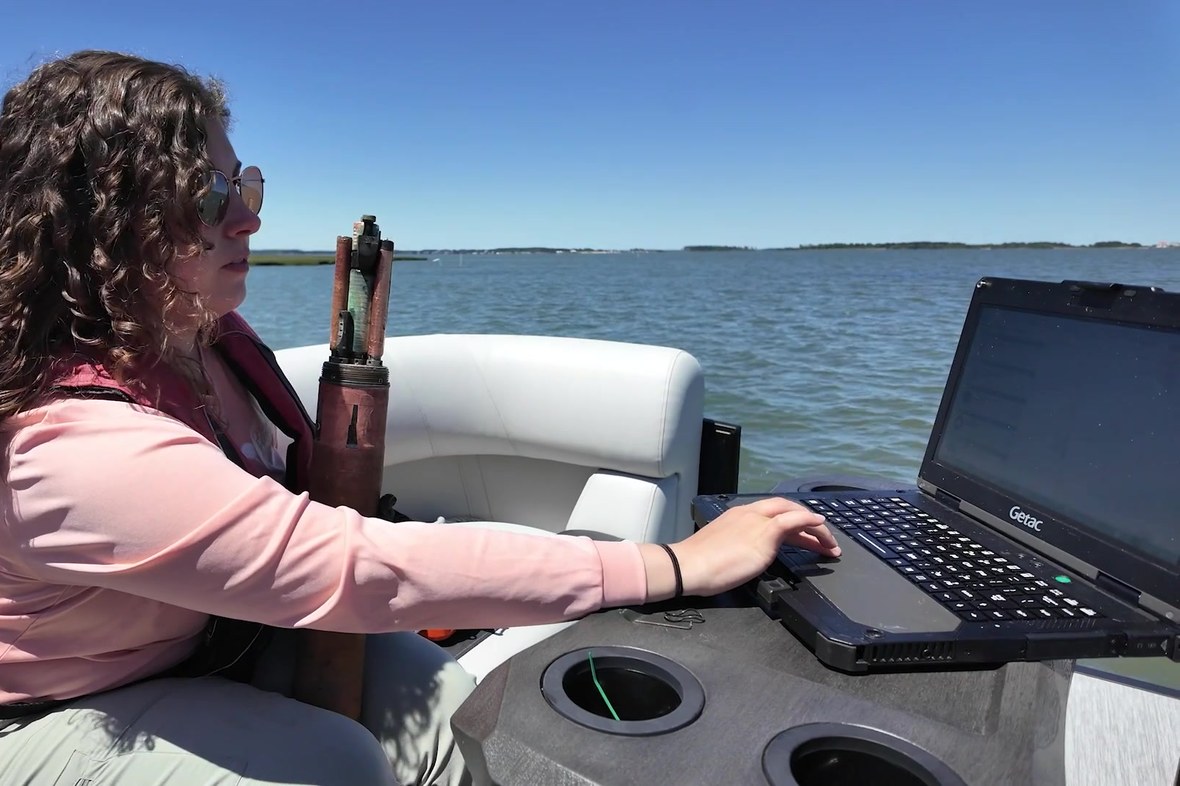
The Getac B360 ended weather-driven gaps in the Delaware Center for the Inland Bays' monitoring data and goes with its science team to every site. The team now collects, processes and uploads data at each monitoring site regardless of the weather, instead of back at the office.
Key results included:
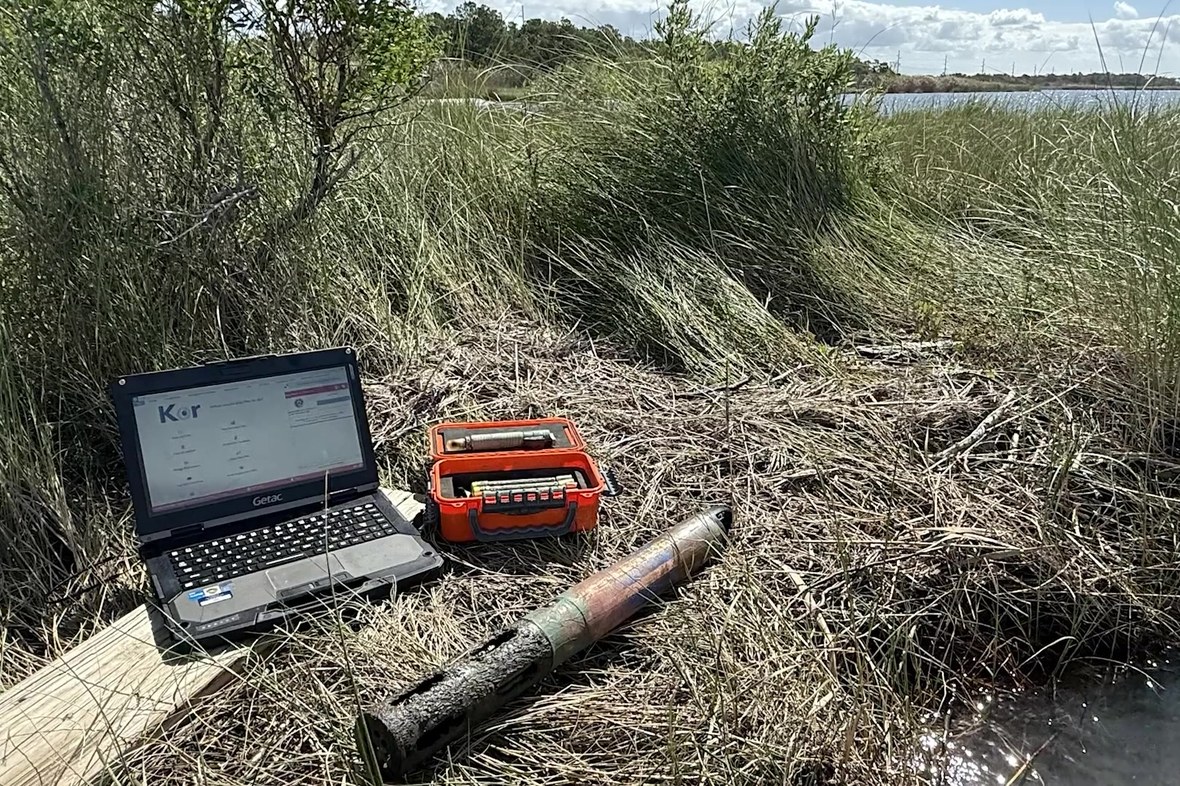
The Delaware Center for the Inland Bays uses the Getac B360 to download data from sondes and sensors that record water quality around the clock, then process and upload it before leaving the site. Continuous water quality monitoring depends on those site visits. When the device can't make the trip, the data waits or is lost, which is why the team brings the Getac B360 to every site.
The Center was established by the Delaware General Assembly in 1994 to preserve, protect and restore Delaware's Inland Bays and their watersheds. Its team tracks the effects of rapid coastal development, sea level rise and warming waters, and its fieldwork also rebuilds oyster populations and creates living shorelines.
The Getac B360 had to:
The Getac B360 handles rain, salt spray and cold because it is certified to MIL-STD-810H and IP66, offers optional salt fog certification, and operates from -20°F to 145°F. It is built rugged from the start, not a consumer laptop in a protective case.
That sealed design protects against dust, sand and moisture, so the Inland Bays team uses the Getac B360 on the boat and out on the water. The touchscreen works with gloves and wet hands, the 1,400-nit display stays readable in direct sun, and long battery life keeps it running through full field days. GPS and wireless connectivity let staff sync data in real time from the monitoring site.
Key capabilities of the Getac B360 for environmental fieldwork include:
Reliable field data is critical to coastal restoration because it is the evidence that secures funding and guides policy for larger projects. For the Delaware Center for the Inland Bays, a gap in the monitoring record weakens the case for the restoration work that depends on it.
What reliable data supports for the Delaware Center for the Inland Bays:
Yes. The Getac B360 is better suited to environmental fieldwork because it is engineered and certified for water, dust, drops and temperature extremes, while a consumer laptop is designed for indoor use. When a consumer laptop fails at a monitoring site, the trip and the data it was meant to collect are lost.
Its MIL-STD-810H and IP66 certifications are tested standards rather than marketing claims. For a small nonprofit like the Delaware Center for the Inland Bays, the Getac B360 working on the first trip saves a second one and keeps the monitoring record unbroken.
"We used to leave laptops in the truck when it was foggy and rainy, but now with Getac devices we can bring the laptop to every location no matter the weather. They save us significant time and ensure we don't have lapses in data collection."
— Morgan Krell, Science Technician, Delaware Center for the Inland Bays
"Time is of the essence, especially as a small nonprofit; we never have enough time. The seamless connectivity and transfer of important data have paved ways to broaden our current projects."
— Taylor Hoffman, Science Coordinator, Delaware Center for the Inland Bays
For the Delaware Center for the Inland Bays, the Getac B360 means a monitoring record without holes, because it survives the weather. That record documents the bays' resilience and makes the case for the resources to restore them.
What laptop does the Delaware Center for the Inland Bays use for fieldwork?
The Delaware Center for the Inland Bays uses the Getac B360 fully rugged laptop. Its science team carries it to docks, boats and salt marshes to download and upload water quality data in any weather. The Getac B360 replaced consumer laptops that failed in rain, fog and salt spray.
What is the best laptop for water quality monitoring in the field?
For field water quality monitoring, the Delaware Center for the Inland Bays uses the Getac B360. It is IP66 and MIL-STD-810H certified, has a 1,400-nit sunlight-readable display, and responds to gloved and wet touch. Consumer laptops fail in those conditions and put sensor data at risk.
Can the Getac B360 be used on a boat or in salt spray?
Yes. The Delaware Center for the Inland Bays uses the Getac B360 on its boat and in salt marshes. The B360 is IP66 certified against dust and water, salt fog certification is available as an option, and its touchscreen works with gloves and wet hands.
How do environmental scientists collect water quality data in bad weather?
Environmental scientists collect continuous water quality data with sondes and sensors deployed at monitoring sites, then download the readings at the site. The Delaware Center for the Inland Bays downloads them to the Getac B360, so downloads happen regardless of conditions. With its old consumer laptops, bad weather stopped the download and left gaps in the record.
How is the Getac B360 different from a consumer laptop?
The Getac B360 is built and certified to survive water, dust, drops and temperature extremes, while a consumer laptop is designed for indoor use. Its MIL-STD-810H and IP66 certifications are tested standards, not a rugged label. The B360 is also rated for 6-foot drops and operates from -20°F to 145°F.
Is the Getac B360 screen readable in direct sunlight?
Yes. The Getac B360 has a 13.3-inch display rated at 1,400 nits, which keeps it readable in direct sun on open water and on docks. That lets field teams check readings at the site instead of back at the office.
Does the Getac B360 work in cold, wet weather?
Yes. The Getac B360 operates from -20°F to 145°F, and its touchscreen responds to gloved and wet input in freezing conditions. The Delaware Center for the Inland Bays relies on it for cold, rainy monitoring trips that were previously canceled.
What is a National Estuary Program?
A National Estuary Program is an EPA program that protects and restores estuaries of national significance. The Delaware Center for the Inland Bays is one of only 28 in the United States. It uses the Getac B360 to support its water quality monitoring.
What results did the Delaware Center for the Inland Bays see with the Getac B360?
The Delaware Center for the Inland Bays now collects and uploads data at every site regardless of weather, with no lapses in data collection from device failure. The team also saves significant time on field days. Those results come from replacing consumer laptops with the Getac B360.

