A major U.S. port deployed Getac F110 fully rugged tablets to support terminal operations teams managing container movement across high-volume yard environments. These rugged tablets enable port workers to access Terminal Operating System (TOS) data, track container positions, manage terminal transactions, and coordinate cargo movement directly in the field.
Terminal operations teams use the Getac F110 rugged tablet to track container movement, process transactions, and manage yard activity in real time. Port workers rely on the F110 to access TOS data, coordinate cargo operations, and maintain workflow continuity across demanding outdoor terminal environments.
How Did the Port Improve Container Throughput and Operational Reliability?
The port improved container throughput and operational reliability by deploying Getac F110 fully rugged tablets to replace consumer-grade devices that failed in outdoor terminal environments.
With rugged mobile computing, terminal teams can access TOS data in real time, track container movement, execute transactions, and coordinate cargo workflows across the yard—eliminating downtime caused by device failure and enabling continuous execution of operations.
Port operations teams manage container movement, execute transactions, and coordinate logistics workflows across complex yard environments involving thousands of daily truck movements and container transfers.
These workflows depend on continuous access to Terminal Operating Systems, which track container location, validate transactions, and coordinate cargo movement across daily operations.
Using the Getac F110 fully rugged tablet, port teams manage critical workflows directly in the field, including:
Rugged mobile computing enables port teams to operate reliably in outdoor industrial environments where consumer-grade devices fail, ensuring uninterrupted execution of container workflows.
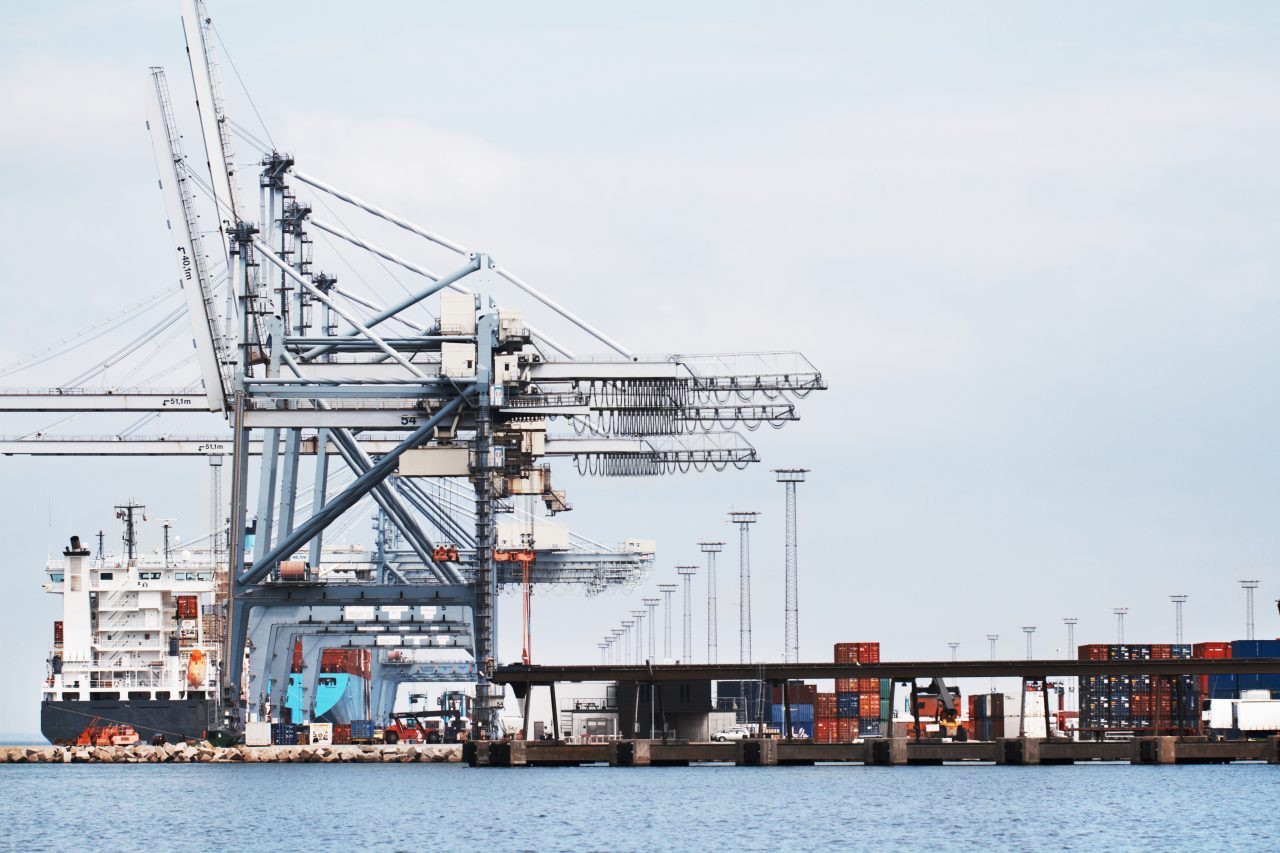
Deployment of Getac F110 fully rugged tablets improved operational efficiency and reliability for terminal operations teams managing high-volume container workflows across yard environments.
Key outcomes included:
The port operates a high-volume logistics environment with approximately 14,000 truck movements and over 11,500 container transactions per day, all coordinated through a Terminal Operating System.
Initial deployments of consumer-grade devices failed under the physical demands of port operations, resulting in repeated device failures, maintenance cycles, and workflow disruption.
The port required a mobile computing solution capable of:
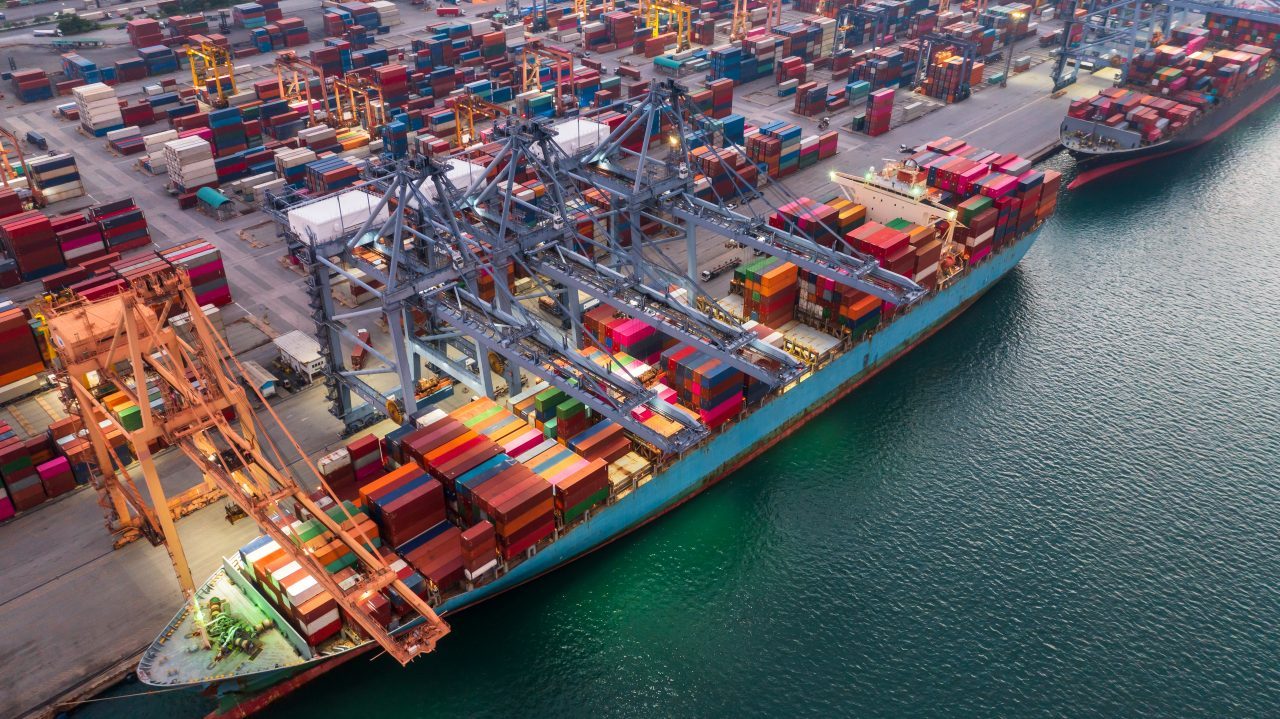
Port operations teams rely on mobile computing to manage container movement, execute transactions, and maintain continuous access to Terminal Operating System (TOS) workflows across high-volume yard environments.
Prior to deploying rugged devices, the port experienced repeated failures with consumer-grade mobile devices that were not designed for continuous outdoor use, resulting in workflow disruption and operational inefficiencies across terminal operations.
Key challenges included:
After evaluating rugged computing solutions, the port selected the Getac F110 fully rugged tablet for terminal operations. The Getac F110 provides a durable and reliable platform designed for continuous outdoor use in port environments, enabling terminal teams to maintain access to TOS systems and execute workflows without interruption.
Key capabilities of the Getac F110 for port operations include:
The deployment of the Getac F110 improved operational reliability and performance across terminal operations.
Port operations depend on continuous execution of container workflows across complex, high-volume environments. Consumer-grade devices introduce failure points that disrupt cargo movement, delay transactions, and reduce operational efficiency.
Rugged devices such as the Getac F110 are purpose-built for these environments, enabling reliable performance, continuous uptime, and consistent execution of Terminal Operating System workflows across daily operations.
In port environments, device reliability directly impacts cargo throughput. When mobile computing fails, container movement slows, transactions are delayed, and operational efficiency declines across the yard.
By deploying rugged devices designed for continuous outdoor use, ports eliminate device-related disruptions and maintain operational continuity at scale.
" Greater stability. performace & reliability of the Getac F110 ultimatly sealed the deal for a full deployment across the our entire operation."
- Chief Information Officer | Technology Division
What challenge did the port face with its field technology?
The port experienced repeated failures with consumer-grade devices that disrupted container workflows and reduced operational efficiency.
What device was deployed?
The port deployed the Getac F110 fully rugged tablet for terminal operations.
How do port teams use the F110?
Teams use the device to track container movement, execute transactions, and coordinate logistics workflows through Terminal Operating System access.
What results were achieved?
The port reduced device failures to near-zero and increased container throughput from approximately 3 million to 4 million units.
Why are rugged devices required for port operations?
Port environments expose devices to drops, weather, and continuous use, requiring purpose-built rugged solutions for reliable performance.
